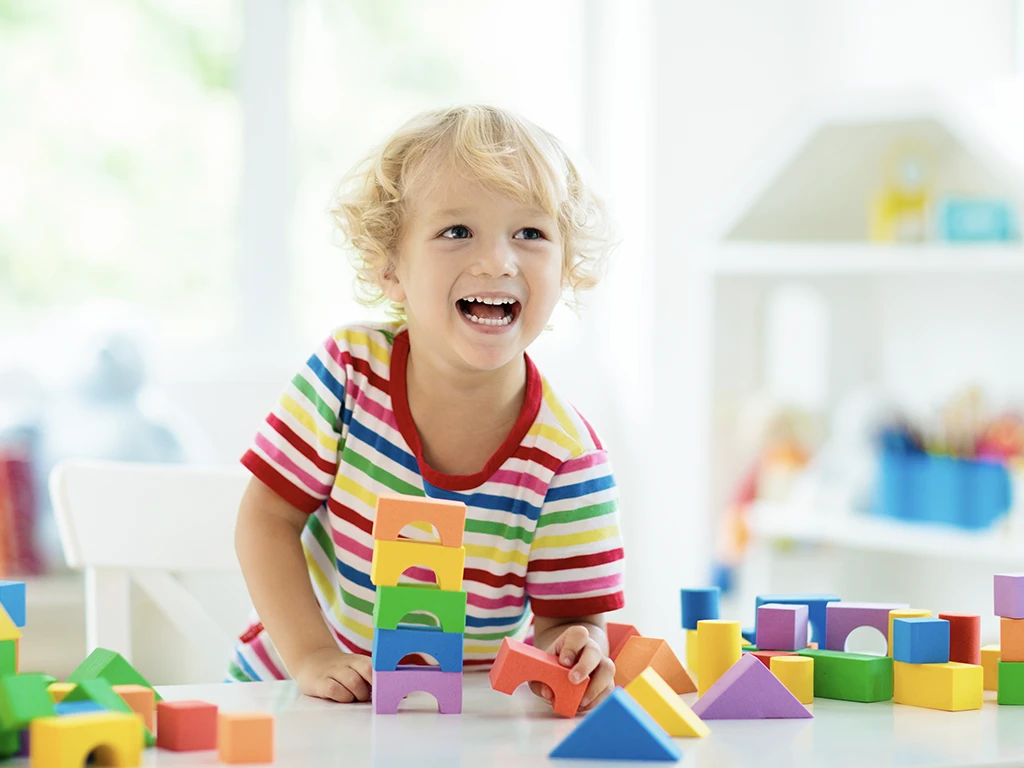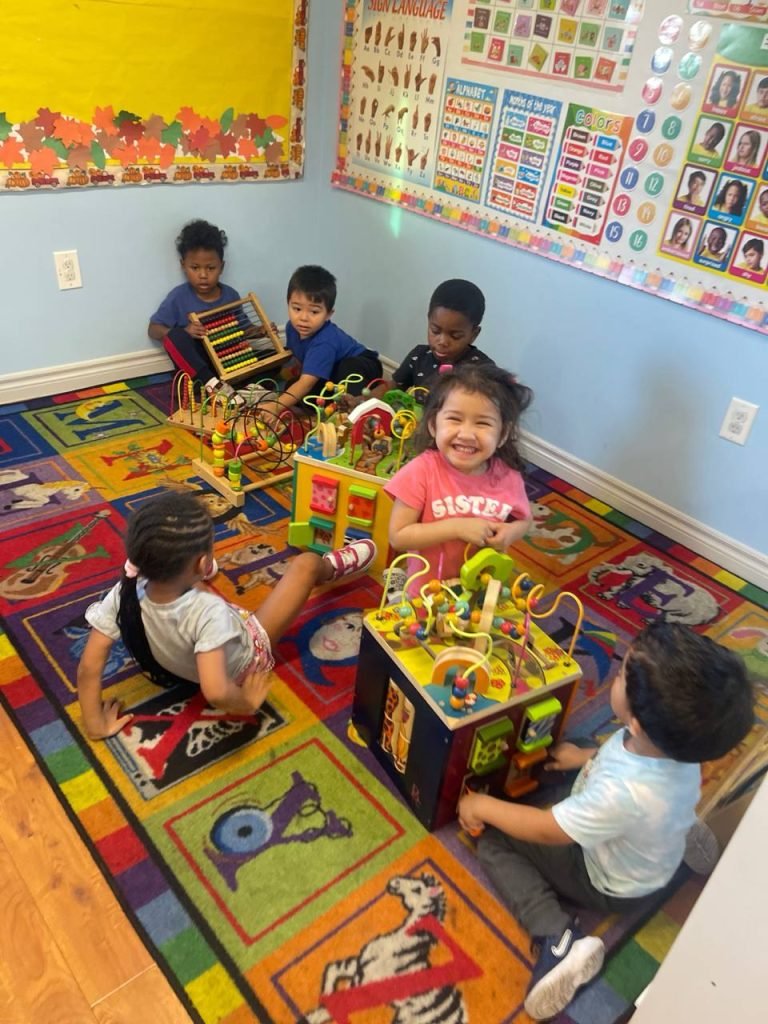
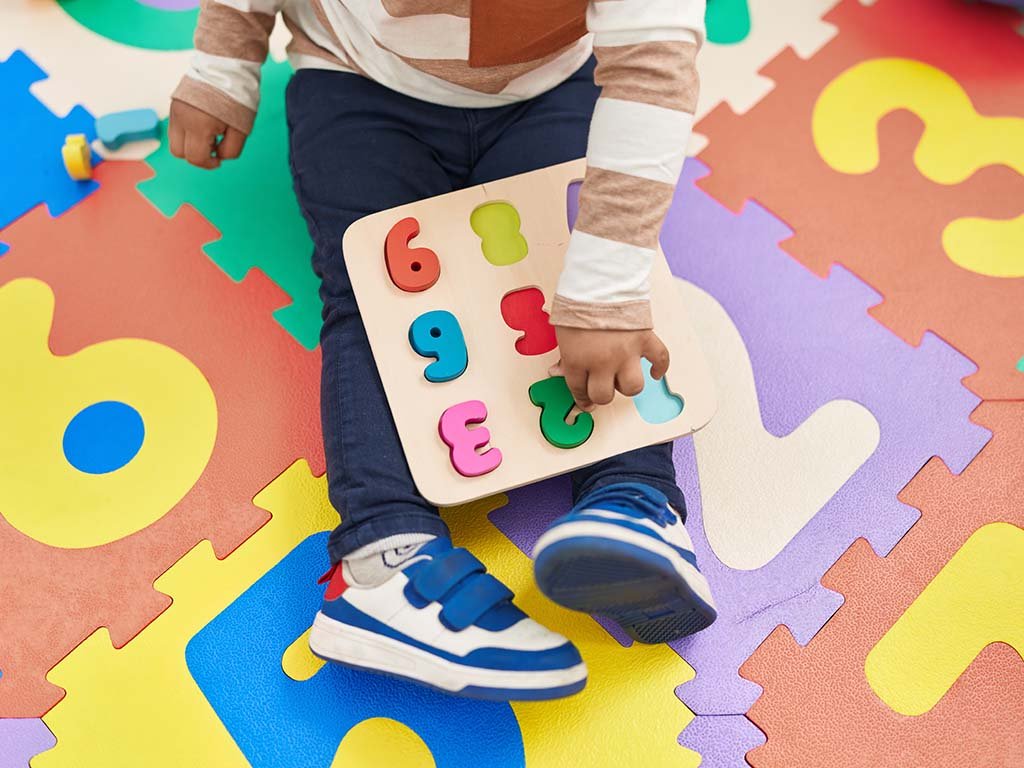
At Little Stars Academy in Arleta, CA, we believe that learning should engage all the senses. Sensory play is a vital part of early childhood development, helping children explore, discover, and learn through hands-on experiences. In this blog, we explore how sensory play enhances learning and why it is a crucial part of our preschool curriculum.
What is Sensory Play?
Sensory play involves activities that stimulate a child’s senses—touch, sight, smell, taste, and hearing. It encourages exploration and discovery, helping children make sense of the world around them. Common sensory play activities include:
- Playing with sand, water, or clay
- Exploring textures like rice, beans, or fabric
- Engaging with music and rhythm instruments
- Participating in nature walks to observe sights and sounds
- Smelling scented materials like flowers or spices
Why Sensory Play is Important for Preschoolers
- Enhances Brain Development
- Sensory play gives children opportunities to explore, compare, solve problems, and learn through hands-on experiences.
- Develops Fine Motor Skills
- Activities like molding clay or pouring water help strengthen hand muscles and improve coordination, which are essential for writing and other tasks.
- Supports Language Development
- As children describe their sensory experiences, they expand their vocabulary and develop communication skills.
- Encourages Curiosity and Exploration
- Sensory activities inspire children to ask questions, make predictions, and experiment, fostering a love for learning.
- Promotes Social Interaction
- Group sensory activities encourage teamwork, cooperation, and sharing, enhancing social skills and building friendships.
- Provides Emotional Comfort
- Sensory play can provide a calming, focused activity for some children while supporting emotional awareness and self-regulation.
How Little Stars Academy Incorporates Sensory Play
At Little Stars Academy, we integrate sensory experiences into our daily curriculum to support holistic development. Here’s how we engage our little learners:
- Sensory Bins: Filled with materials like rice, beans, and sand, these bins encourage tactile exploration and creative play.
- Water Tables: Children experiment with pouring, measuring, and floating objects to learn about cause and effect.
- Nature Walks: Outdoor activities help children connect with nature while observing different textures, sounds, and scents.
- Music and Rhythm: Singing, dancing, and playing instruments develop auditory and physical senses while encouraging self-expression.
- Creative Art Projects: Using materials like paint, clay, and textured papers helps children explore colors, shapes, and textures.
Tips for Parents: Sensory Play Ideas at Home
- Create a DIY Sensory Bin
- Fill a bin with age-appropriate sensory materials and supervise your child closely during play. Avoid small items that may present a choking hazard.
- Explore Nature Together
- Go on a nature walk and encourage your child to touch leaves, smell flowers, and listen to birds.
- Baking Together
- Involve your child in baking. Let them feel the texture of flour, stir batter, and smell spices for a fun sensory experience.
- Play with Water
- Set up a small water table at home and provide cups, spoons, and toys for pouring and measuring fun.
- Sensory Art Projects
- Try painting with different textures like sponges, cotton balls, or brushes to add variety to art activities.
Conclusion
Sensory play is more than just fun—it’s a key component of healthy brain development, social growth, and emotional well-being. At Little Stars Academy, we create sensory-rich experiences that encourage curiosity, creativity, and confidence.
If you’re looking for a preschool in Arleta, CA, that values hands-on, sensory-rich learning, contact Little Stars Academy today to schedule a tour and learn more about our programs.