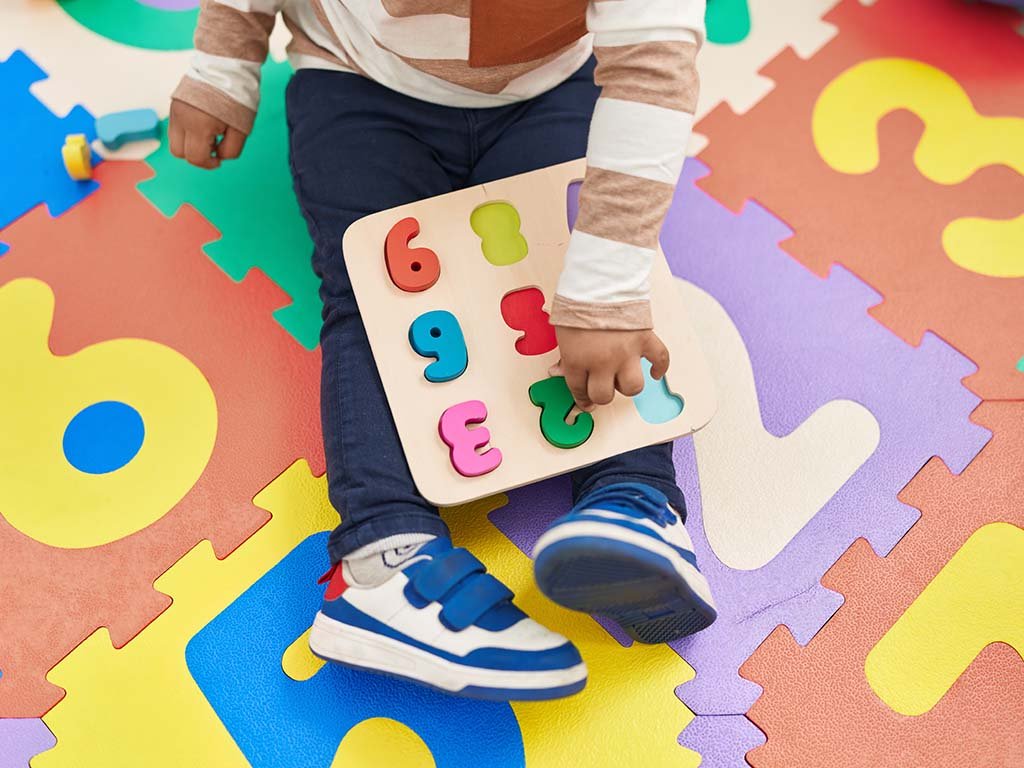
One of the most common questions parents ask is: “When should my child start preschool?” There is no single perfect age. Some children are comfortable joining a group setting as toddlers, while others benefit from a little more time before beginning a preschool routine. What matters most is finding an age-appropriate program and a supportive environment that meets your child’s needs.
What Is the Typical Age to Start Preschool?
Many preschool programs welcome children around ages 3 to 5, but some early childhood centers also offer toddler programs for younger children. Age requirements vary by school, classroom, and local licensing rules. Before enrolling, ask which age groups a center serves and how its daily activities differ for younger and older children.
At Little Stars Academy Preschool in Arleta, California, the overall age range served is 18 months to 6 years. Families should contact the school to confirm current classroom placement and enrollment availability.
Preschool Readiness Is More Than a Birthday
A child does not need to know letters, numbers, or how to read before starting preschool. Readiness is more about whether the program can support the child’s developmental stage and help them gradually feel secure in a new environment.
Here are some helpful signs to consider:
- Your child shows curiosity about other children and new activities.
- Your child can begin following simple routines with patient adult guidance.
- Your child can communicate basic needs through words, gestures, or other age-appropriate ways.
- Your child is gradually learning to separate from a parent or caregiver with reassurance.
- Your child enjoys exploring toys, books, movement, art, and hands-on activities.
These are not entrance tests. Children develop at different rates, and a good early childhood program should support individual needs rather than expect every child to arrive with the same skills.
Starting at Age 2: Learning Through Play
For many two-year-olds, an early learning program focuses on relationships, language, movement, play, and building trust with teachers. Children practice sharing space with others, exploring materials, and becoming familiar with a predictable daily routine. Short, positive experiences can help them develop confidence over time.
Parents should ask how teachers support separation anxiety, naps, meals, diapering or toileting, and communication with families. A toddler classroom should feel nurturing rather than academically demanding.
Starting at Age 3: Building Social and Everyday Skills
Around age three, many children become increasingly interested in friendships, imaginative play, stories, and group activities. Our Preschool Program provides opportunities to practice taking turns, expressing feelings, following simple directions, and participating in guided learning experiences.
Children still learn best through active play and meaningful interaction. Worksheets and memorization should not replace exploration, conversation, outdoor time, and creative activities.
Starting at Ages 4–5: Growing Toward Kindergarten
For older preschoolers, a thoughtful program can build early literacy and math awareness, independence, problem-solving, and social-emotional skills. Children may practice recognizing letters and patterns, listening to stories, asking questions, and working with classmates.
Kindergarten readiness is not just about academics. Confidence, communication, self-help skills, curiosity, and the ability to participate in a group also matter.
What If My Child Has Separation Anxiety?
Feeling nervous during drop-off is common, especially in the first days or weeks. A consistent goodbye routine, clear communication with teachers, and a calm transition plan can help. Ask the school how it welcomes new children and keeps families informed during the adjustment period.
Avoid comparing your child’s adjustment to someone else’s. Some children settle in quickly, while others need additional reassurance and time.
Questions to Ask Before Enrolling
- Which age groups are currently accepted?
- What does a typical day look like for my child’s age?
- How do teachers support children who are new to group care?
- What are the expectations around toilet learning?
- How do you communicate with parents about daily routines and progress?
- Can we visit the classroom and meet the teachers?
Choosing a Preschool in Arleta, CA
For families in Arleta and nearby communities, location and scheduling are important, but they should not be the only deciding factors. Look for a safe environment, warm teacher-child interactions, age-appropriate learning, clear parent policies, and opportunities to visit before enrolling.
Little Stars Academy Preschool serves children ages 18 months to 6 years in Arleta, CA. Families can learn more about our programs, curriculum, and parent resources, or contact us to ask about enrollment and schedule a tour.
Frequently Asked Questions
Is age 2 too early for preschool?
Not necessarily. Some centers offer toddler programs designed for younger children. The right fit depends on the child, the program, and the family’s needs.
Does my child need to be potty trained?
Requirements differ by program and classroom. Ask the school directly about its current toileting policy and how staff support children who are learning.
What if my child has never been away from me?
Many children begin group care without previous separation experience. A supportive transition plan and consistent routines can help children adjust gradually.
How can I tell if a preschool is a good fit?
Visit the school, observe the environment, speak with teachers, review the daily schedule and policies, and ask how the program supports your child’s age and development.
Visit Little Stars Academy Preschool
Every child’s path is different. If you are exploring preschool or toddler care in Arleta, we would be happy to help you learn about our environment and programs. Contact Little Stars Academy Preschool to schedule a tour or ask about current enrollment options.