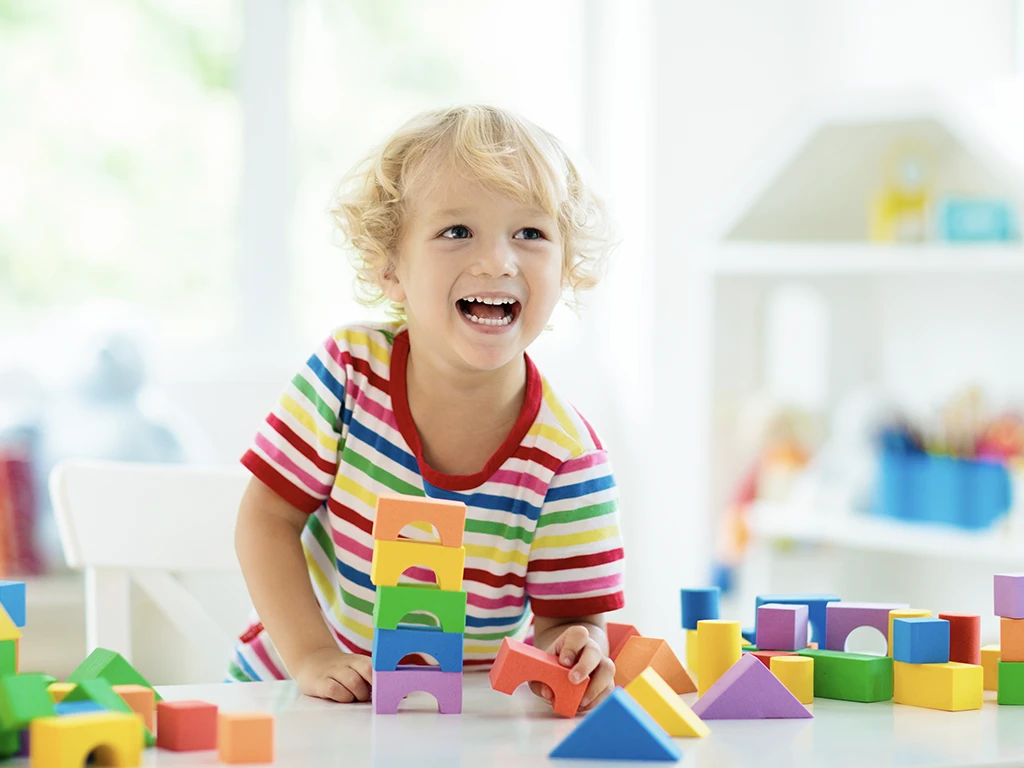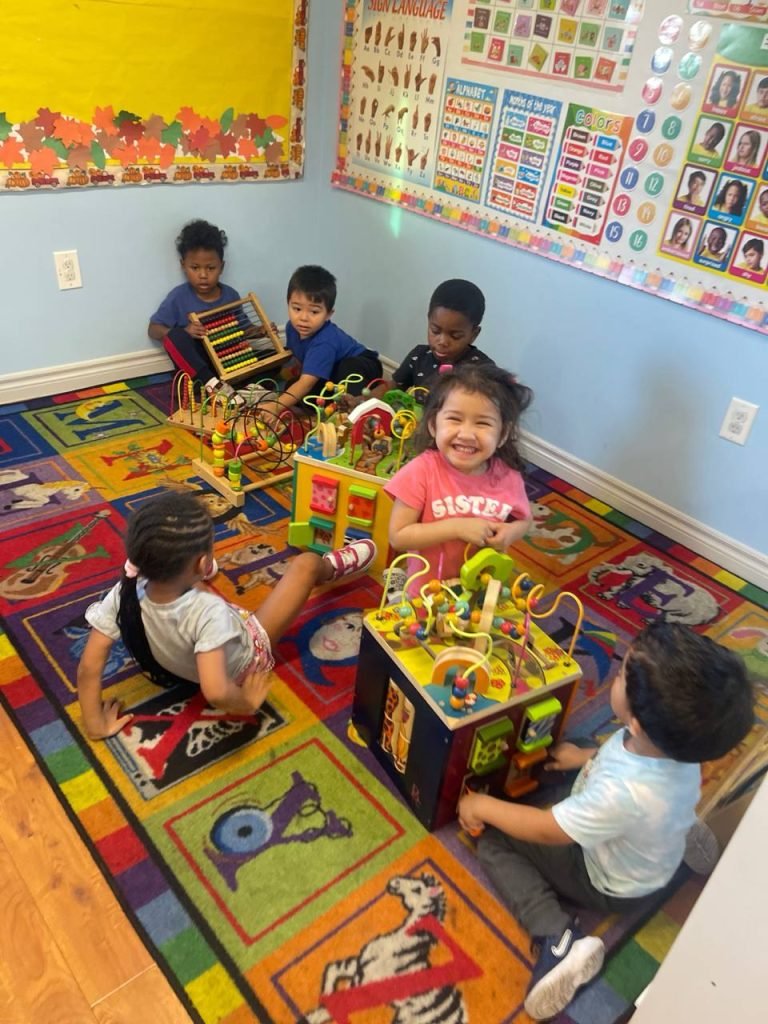
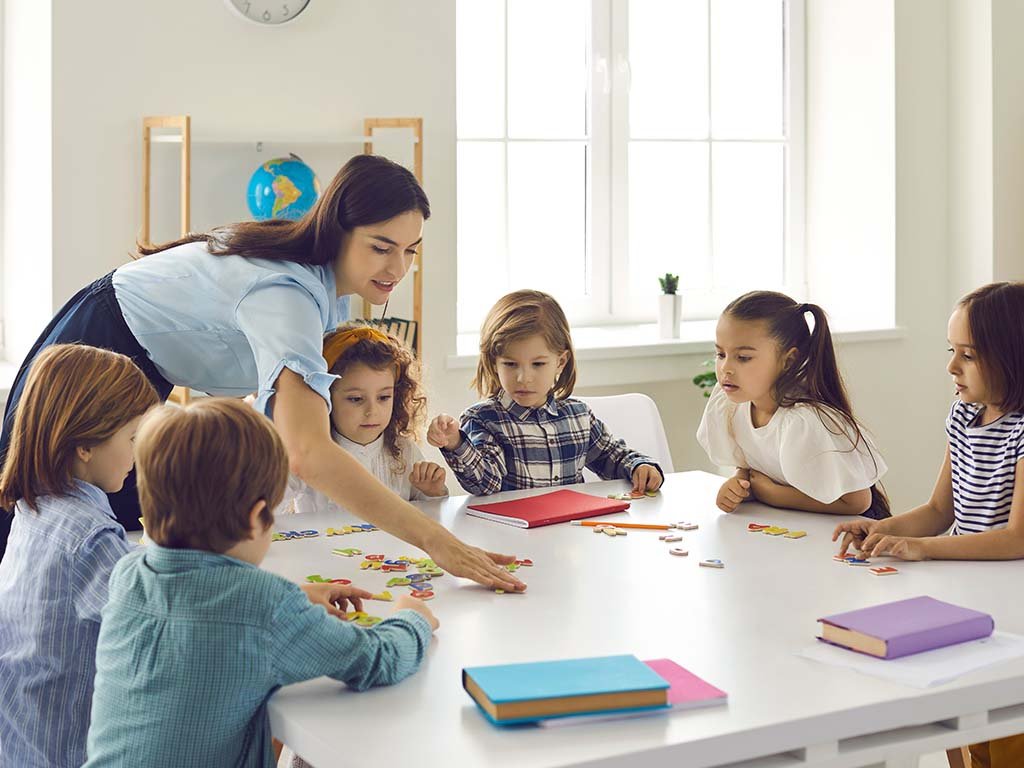
Choosing the right preschool is one of the most important decisions parents make for their children. At Little Stars Academy in Arleta, CA, we understand that a safe and nurturing environment is essential for a child’s growth, confidence, and happiness. In this blog, we share how we prioritize safety and emotional well-being while creating an engaging and supportive space for early learning.
Why a Safe and Nurturing Environment Matters
- Promotes Emotional Security
- Children thrive when they feel safe, secure, and valued. A nurturing environment helps them build trust, confidence, and positive relationships with teachers and peers.
- Encourages Exploration and Learning
- When children feel protected and cared for, they are more willing to explore, take risks, and engage in new learning experiences. Safety fosters curiosity and creativity.
- Builds Positive Social Skills
- A nurturing preschool setting encourages empathy, cooperation, and respect. Children learn how to communicate, share, and work together in a safe space.
- Supports Healthy Development
- Physical, emotional, and mental development are all strengthened in a secure and caring environment. Children learn to manage emotions and develop resilience when they feel supported.
How Little Stars Academy Creates a Safe and Nurturing Space
- Qualified and Caring Staff
- Our experienced teachers are trained in child development, safety procedures, and first aid. More importantly, they genuinely care about each child’s well-being and growth.
- Secure Facilities
- We maintain a secure, clean, and child-friendly facility with controlled access, age-appropriate equipment, and safe play areas. Our classrooms are designed to encourage learning while ensuring safety.
- Health and Hygiene Practices
- Cleanliness is a top priority. We follow hygiene practices that include frequent handwashing and cleaning and sanitizing toys and surfaces to help reduce the spread of illness.
- Consistent Routines and Structure
- Consistent daily routines provide children with a sense of security. Knowing what to expect each day helps them feel safe and comfortable.
- Emotional Support and Positive Reinforcement
- Teachers are attentive to each child’s emotional needs, providing comfort, guidance, and encouragement. We use positive reinforcement to promote good behavior and self-confidence.
- Open Communication with Parents
- We keep parents informed and involved through regular updates, meetings, and open communication channels. Parents can feel confident knowing their child’s needs are being met.
- Emergency Preparedness
- Our staff is trained in emergency procedures, and we conduct regular drills to help prepare for potential emergencies.
Tips for Parents: Supporting a Nurturing Environment at Home
- Create Consistent Routines
- Consistent schedules for meals, naps, and playtime provide children with a sense of stability.
- Encourage Open Communication
- Let your child know they can share their thoughts and feelings openly. Listen actively and validate their emotions.
- Establish Safe Boundaries
- Set clear and consistent boundaries at home to help children feel secure while understanding expectations.
- Model Kindness and Respect
- Show respect, empathy, and patience in your interactions. Children learn by example.
- Praise Positive Behavior
- Celebrate your child’s achievements and reinforce positive behavior to boost their confidence and sense of security.
Conclusion
A safe and nurturing environment is the foundation for lifelong learning and healthy development. At Little Stars Academy, we are dedicated to providing a supportive space where every child feels valued, secure, and inspired to learn.
If you’re looking for a preschool in Arleta, CA, that prioritizes safety and emotional well-being, contact us today to schedule a tour and learn more about our programs.