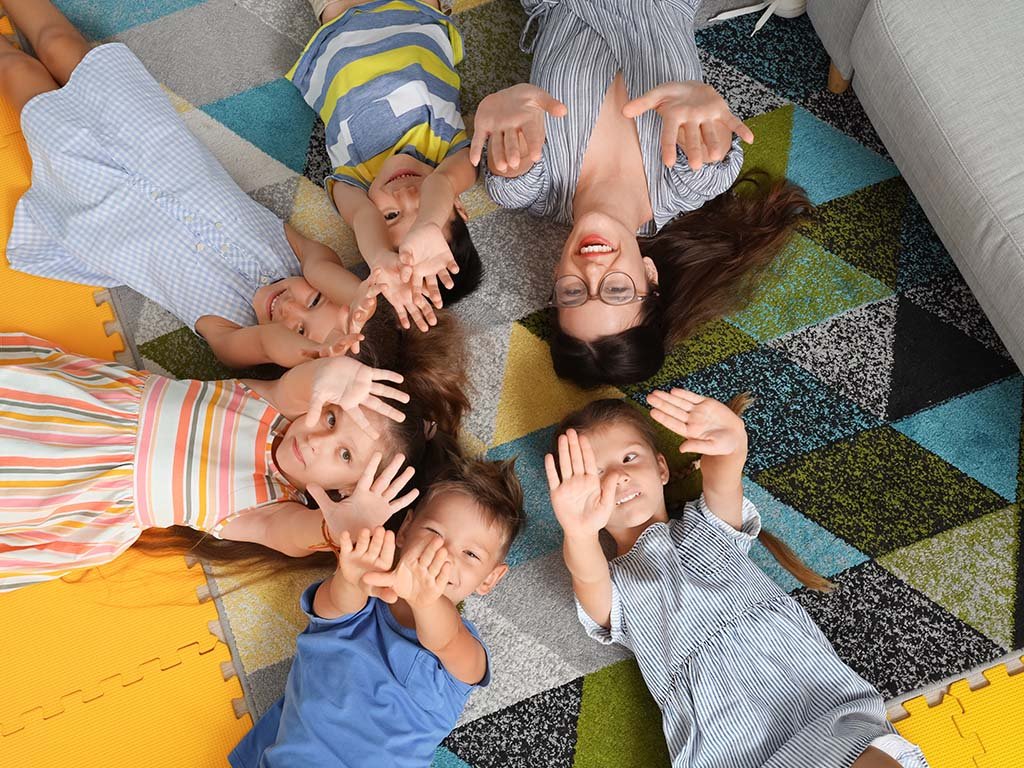
At Little Stars Academy in Arleta, CA, we believe that learning goes beyond books and toys. Group activities play a vital role in early childhood development, helping children build essential social and teamwork skills that will benefit them throughout life. In this blog, we explore the importance of group activities and how they contribute to a child’s growth.
Why Group Activities Matter in Early Childhood
- Promotes Social Skills
- Group activities help children learn how to communicate, share, and collaborate with others. These skills are essential for forming friendships and building positive relationships.
- Encourages Teamwork and Cooperation
- Working in groups teaches children how to take turns, listen to others, and work together towards a common goal. These skills lay the foundation for future academic and personal success.
- Develops Problem-Solving Skills
- Group projects encourage children to think creatively and solve problems together. Learning how to navigate challenges as a team helps build resilience and critical thinking skills.
- Boosts Confidence and Self-Esteem
- Participating in group activities helps children feel valued and included. When they contribute to a team’s success, it boosts their confidence and sense of accomplishment.
- Enhances Communication Abilities
- Children learn how to express their thoughts, listen to others, and interpret social cues. These early communication skills are crucial for future interactions.
- Teaches Respect and Empathy
- Group activities expose children to different perspectives, helping them develop empathy and respect for others’ ideas and experiences.
How Little Stars Academy Incorporates Group Activities
At Little Stars Academy, group activities are an essential part of our daily schedule. Here’s how we create engaging, collaborative experiences for our little learners:
- Circle Time Discussions: We encourage children to share thoughts, listen to peers, and engage in group conversations to build social and communication skills.
- Team Art Projects: Group art activities foster creativity and teamwork while allowing children to express themselves collaboratively.
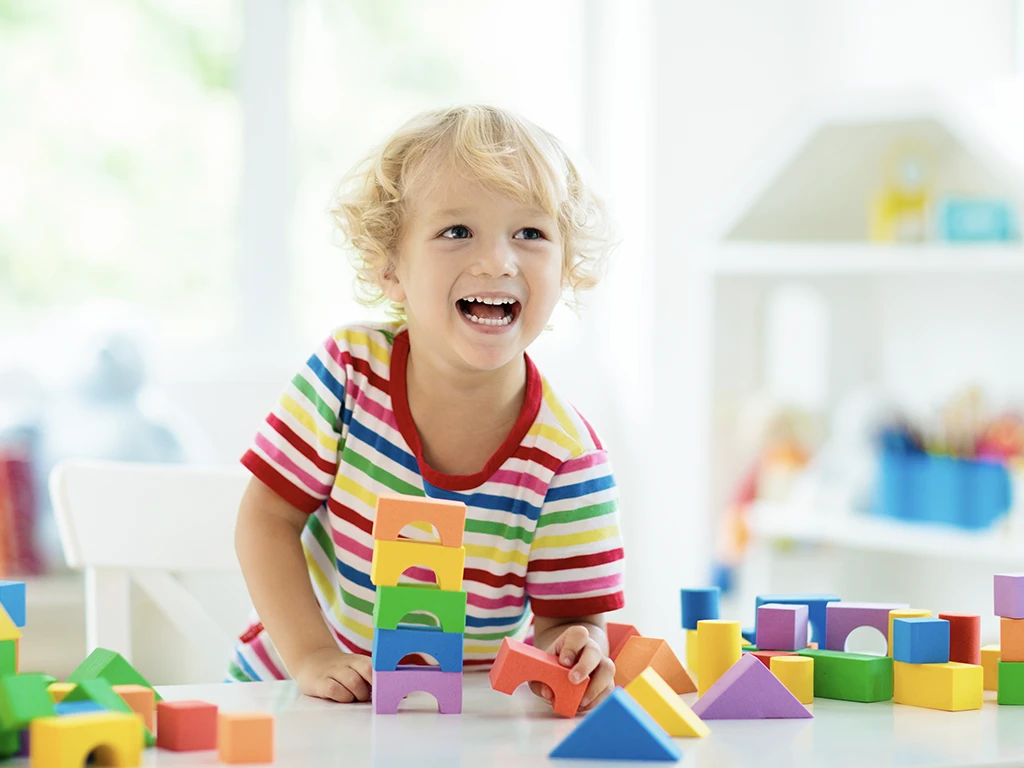
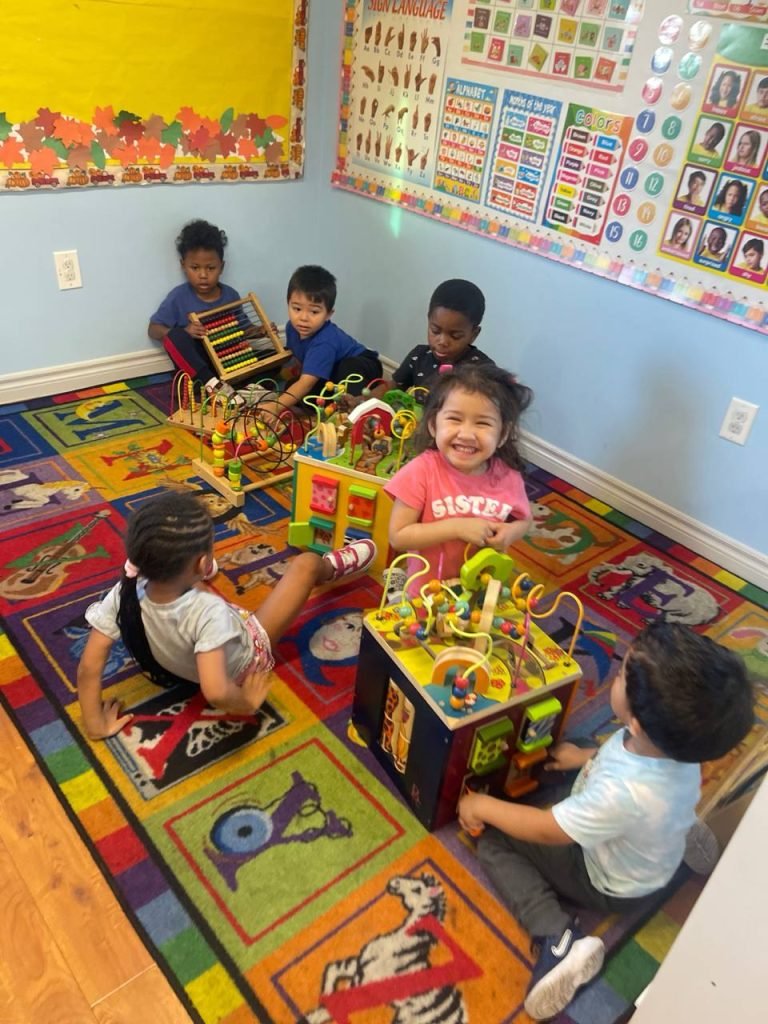
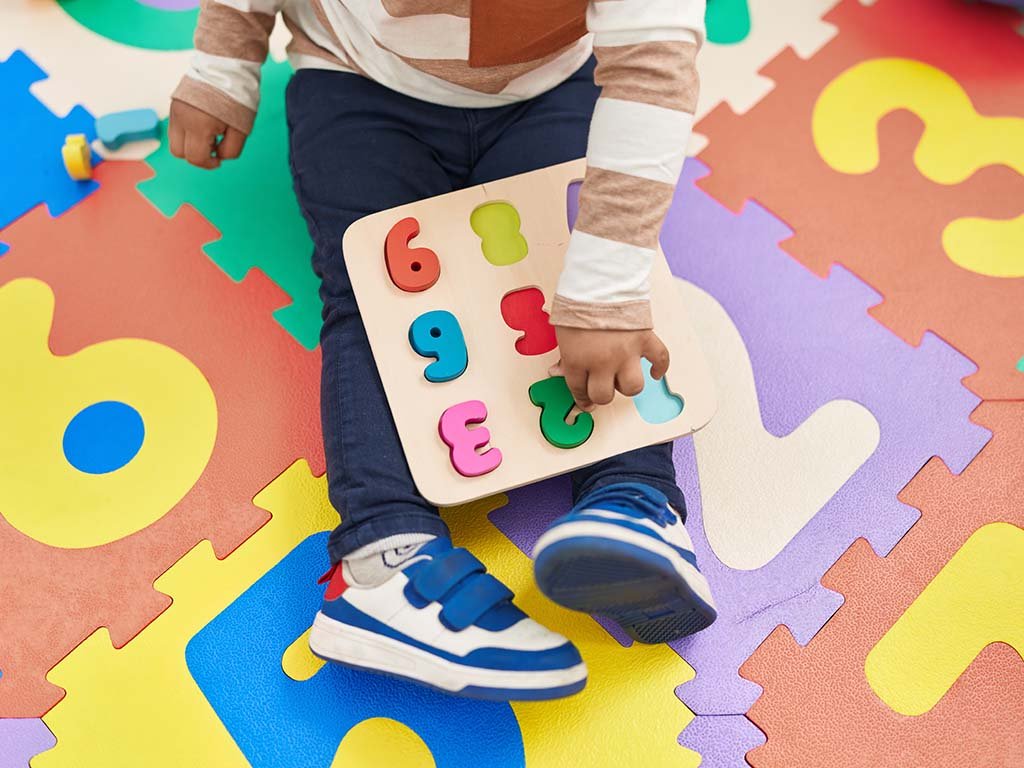
- Group Learning Centers: Children rotate through different stations where they collaborate on puzzles, building projects, and hands-on activities.
- Storytelling and Role-Playing: These group activities encourage imagination, empathy, and understanding of diverse perspectives.
- Outdoor Group Games: Physical play promotes teamwork, leadership, and problem-solving in a fun and active environment.
- Music and Dance Circles: Singing and moving together strengthen bonds and promote social interaction.
Tips for Parents: Encouraging Group Skills at Home
- Organize Playdates
- Arrange playdates or small group gatherings to help your child practice social and teamwork skills in a relaxed setting.
- Play Cooperative Games
- Board games and team-based activities can teach children about cooperation, taking turns, and working towards a common goal.
- Model Teamwork
- Show your child how teamwork works at home by involving them in group tasks like cooking, cleaning, or gardening.
- Encourage Group Storytelling
- Take turns creating a story together, encouraging your child to contribute their ideas and build on others’ thoughts.
- Teach Conflict Resolution
- If disagreements arise during group play, guide your child on how to resolve conflicts respectfully and thoughtfully.
Conclusion
Group activities are more than just fun—they’re essential for developing social, teamwork, and problem-solving skills in preschoolers. At Little Stars Academy, we focus on creating meaningful group experiences that build confidence, cooperation, and friendships.
If you’re looking for a preschool in Arleta, CA, that values teamwork and social learning, contact Little Stars Academy today to schedule a tour and learn more about our programs.