Young children can begin learning simple habits that help them care for their surroundings and use everyday resources thoughtfully. Families can introduce these ideas through positive conversations, age-appropriate responsibilities and activities at home. Here are 10 practical eco-friendly habits to explore together.
1. Start with Simple, Positive Conversations

When discussing environmental issues with your child, keep the conversation straightforward, positive and appropriate for their age. Explain that pollution and waste can affect wildlife and natural spaces, while emphasizing the simple actions families can take together.
You can introduce your child to positive examples like wind farms, solar energy, and recycling programs. Explain that small actions, such as planting trees or composting in your backyard, can help the environment. These simple conversations can empower your child to feel like they are part of the solution.
2. Teach the Habit of Turning Off Lights and Electronics

One of the easiest ways to reduce your family’s environmental impact is by conserving energy. Teaching children to turn off lights and electronic devices when they leave a room is a great start.
Encourage your child to switch off lights and electronic devices when they are not being used. Consistently practicing this simple routine can help children become more mindful of energy use.
3. Remind Your Child to Turn Off the Water

Water conservation is a habit children can begin practicing early. Explain that clean water is an important resource and encourage simple routines such as turning off the faucet while brushing their teeth.
Children can also turn off the water while lathering their hands and turn it back on when they are ready to rinse.
4. Encourage Fun Without Electronics

It’s easy to get caught up in screens, but there are plenty of fun, non-electronic activities that can help your family reduce energy consumption. Spend quality time playing board games, reading books, or enjoying the outdoors. Activities like biking, hiking, or even throwing a Frisbee in the park are great ways to connect with nature while staying active.
Families can explore nearby parks and walking trails together. Spending time outdoors gives children opportunities to observe nature and understand why caring for natural spaces is important.
5. Make Recycling Easy and Fun

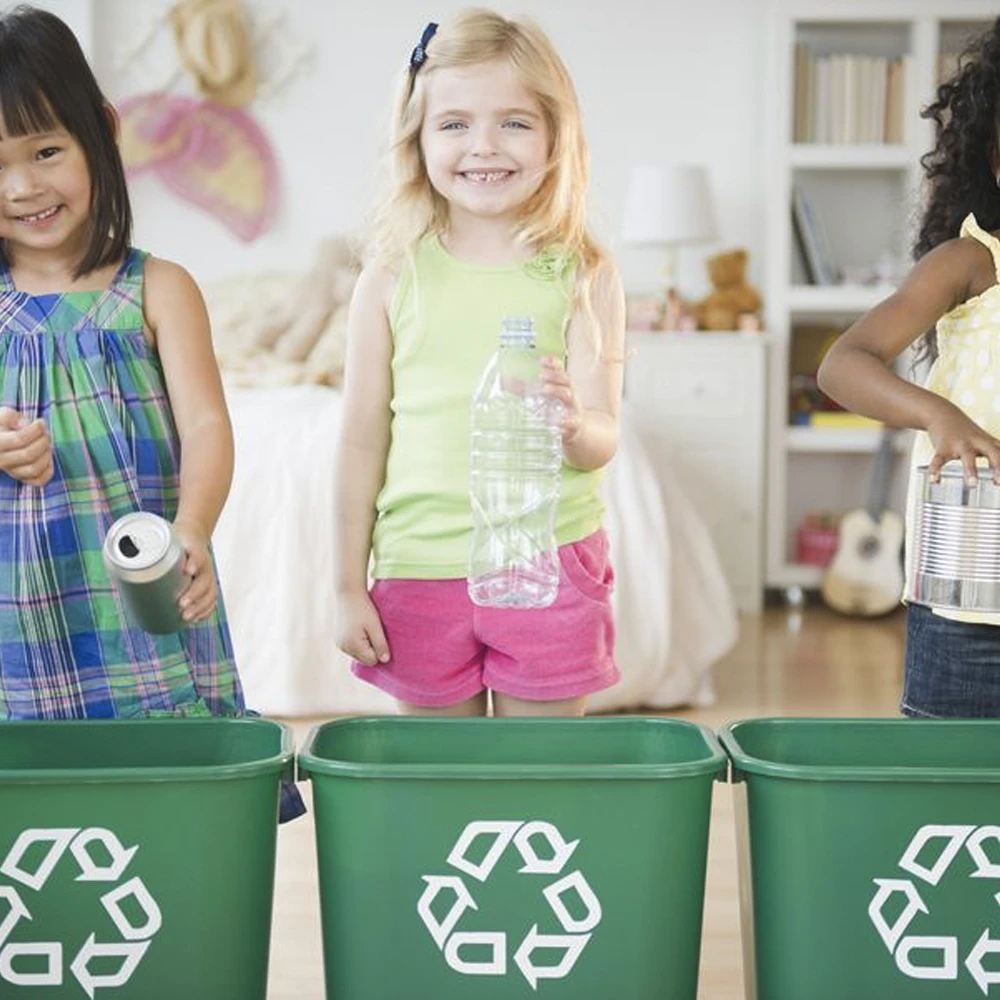
Recycling can be a useful family activity when it is kept simple and safe. Set up clearly labeled containers based on your local recycling rules, and supervise children while they sort appropriate items. Children can also help create colorful labels for each container.
You can also involve your child in seasonal clean-ups around the house. Look for gently used clothing, toys, and books to donate to local shelters. This not only teaches the value of recycling but also instills a sense of generosity.
6. Use Green Cleaners and Reusable Tools
When cleaning your home, use reusable cloths instead of disposable paper products when practical. Choose cleaning products suitable for the task, follow their label instructions and keep them out of children’s reach. Children can participate only in simple, age-appropriate cleaning tasks under adult supervision.
7. Switch to Reusable Bags, Containers, and Bottles
One of the simplest ways to reduce waste is by switching to reusable containers for lunches and snacks. Instead of buying bottled water, invest in BPA-free or metal water bottles that can be refilled. When grocery shopping, bring along reusable bags to cut down on single-use plastics.
Bring reusable bags when shopping and invite your child to help remember them before leaving home.
8. Buy in Bulk and Divide into Reusable Containers
When practical, buying larger packages and dividing food into reusable containers may help reduce packaging waste. Families should choose options that suit their storage needs, budget and household routine.
9. Reuse Art Supplies
Encourage creativity while teaching children to reuse materials. Keep age-appropriate leftover paper, fabric and other safe craft supplies for future projects. Small items that may present a choking hazard should be kept away from young children, and craft activities should be supervised by an adult.
10. Get Outside and Connect with Nature
One of the best ways to teach children about the environment is to let them experience it firsthand. Take your family on nature walks, hikes, or visits to the park. Exploring the outdoors helps children understand what we’re trying to protect and why it’s essential to go green every day.
Families in North Hollywood, Arleta, and Burbank have access to many beautiful outdoor spaces where kids can connect with nature and learn to appreciate its value. These outings are not only educational but also a great way to spend quality family time.
Final Thoughts: Going Green in Arleta, CA and Beyond
Teaching your child eco-friendly habits doesn’t have to be overwhelming. By incorporating simple practices into your daily routine, you can set a strong foundation for a more sustainable future. Whether it’s turning off lights, conserving water, or reusing materials, small actions can make a significant difference over time.