Preschool vs. Daycare: What’s the Difference and Which Is Right for Your Child? A practical guide for parents comparing early childhood care and learning options.
Choosing care for a young child is a major decision for any family. Parents often use the words preschool and daycare interchangeably, but the two can differ in their daily structure, educational focus, age groups, schedules, and overall approach.
There is no single option that is right for every child. The best choice depends on your child’s age and personality, your family’s schedule, the environment you want, and the quality of the individual program. Understanding the common differences can make the decision much easier.
What Is Daycare?
Daycare generally refers to child care designed to provide safe supervision and care while parents or guardians are working or unavailable. Many daycare centers serve a broad range of ages and may offer extended hours to accommodate working families.
A quality daycare can include play, stories, art, outdoor activities, social interaction, meals, rest time, and age-appropriate learning. The exact structure varies widely from one provider to another, so parents should evaluate the individual center rather than relying only on the word “daycare.”
What Is Preschool?
Preschool is typically more intentionally focused on early childhood development and preparation for the next stage of learning. Children may follow a predictable daily routine that combines play, teacher-guided activities, social development, language, early literacy and math concepts, creative activities, movement, and independent skills.
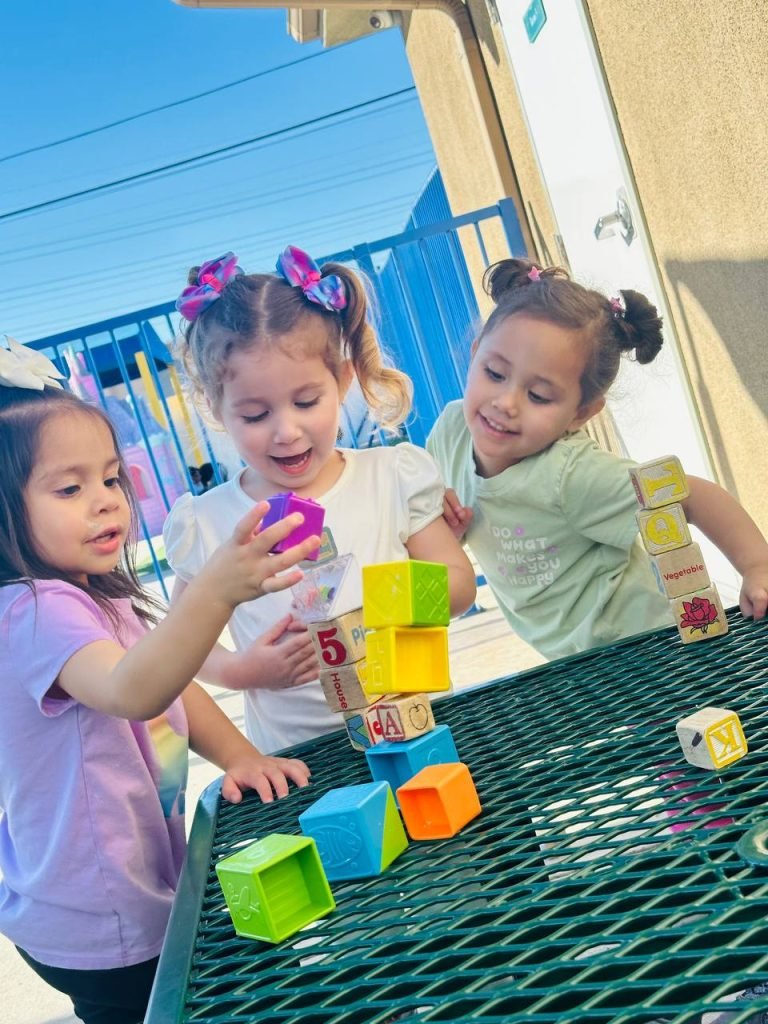
Good preschool programs do not need to feel like elementary school. Young children learn through play, exploration, repetition, conversation, hands-on activities, and relationships with caring adults. A strong preschool environment balances learning with the developmental needs of young children.
Preschool vs. Daycare: Key Differences
| Area | Preschool | Daycare |
|---|---|---|
| Primary emphasis | Early learning and development, together with care | Child care and supervision, often with learning activities |
| Daily structure | Usually a planned routine with learning, play, meals, rest and activities | Varies significantly by provider and age group |
| Age range | Often focused on toddler and preschool-age children | May serve infants through school-age children |
| Schedule | May be part-time, full-time or school-day depending on the program | Often designed around working-family schedules |
| School readiness | Usually an explicit part of the program | Depends on the individual center |
The Label Alone Does Not Determine Quality
These are general differences, not strict rules. Some daycare centers provide excellent early education, and some preschools offer long full-day schedules that work well for working parents. What matters most is what actually happens in the classroom every day.
What Should Parents Look for in Either Program?
- Licensing and safety. Ask whether the program is properly licensed and how it handles supervision, authorized pickup, illness, emergencies, classroom security, and staff-to-child procedures.
- Caring and consistent teachers. Observe how teachers speak with children. Warm, respectful interaction is essential. Children learn best when they feel secure, understood, and comfortable asking for help.
- A predictable daily routine. Young children benefit from knowing what comes next. A balanced routine may include arrival, group activities, free play, outdoor time, meals, rest, creative work, and transitions.
- Age-appropriate learning. Look for activities that build communication, early literacy, counting, fine-motor skills, problem-solving, creativity, independence, and social-emotional development without placing unrealistic academic pressure on young children.
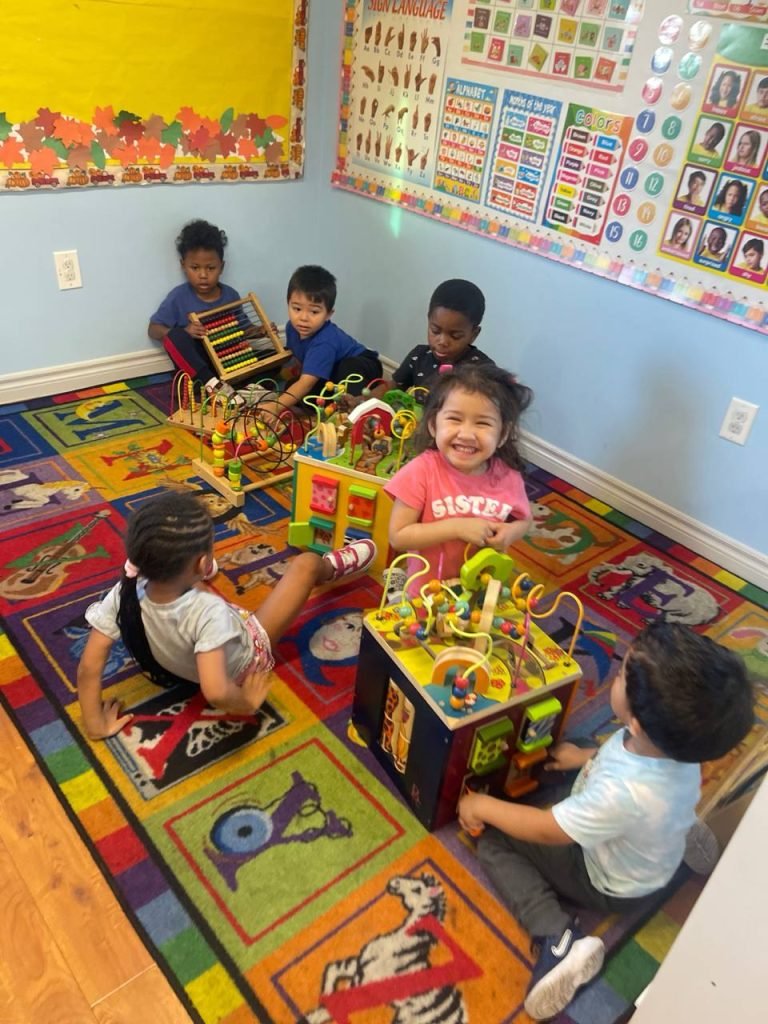
- Clean, engaging spaces. Classrooms should feel safe, organized, welcoming, and designed for children. Materials should be accessible and appropriate for the age group.
- Communication with families. Parents should understand the program’s policies and have a clear way to communicate with staff about routines, behavior, meals, health, progress, and concerns.
Which Option Is Better for Your Child?
Instead of asking whether preschool is universally “better” than daycare, ask which specific environment best matches your child and family.
A family may prefer a preschool when they want a structured early-learning environment, opportunities for social development, preparation for kindergarten, and a consistent educational routine. Another family may prioritize extended care hours, care for siblings of different ages, or a particular daycare provider with whom they already have a strong relationship.
The individual program matters more than the category. Visit the school, meet the teachers, observe the environment, review the daily schedule, and ask questions before making a decision.
Questions to Ask During a Preschool or Daycare Tour
Consider asking:
- What ages do you serve?
- What does a typical day look like?
- How do you help children adjust during the first weeks?
- How do you approach learning and school readiness?
- How much time do children spend playing indoors and outdoors?
- What are your meal, illness, arrival, departure and authorized-pickup policies?
- How do teachers communicate with parents?
- What are your full-time and part-time options?
- What should families bring each day?
- Can we visit the classroom before enrolling?
Preschool and Child Care at Little Stars Academy in Arleta, CA
Little Stars Academy Preschool provides a nurturing early childhood environment for children ages 18 months to 6 years in Arleta, California. Our goal is to give children a safe and engaging place to learn, play, build confidence, develop social skills, and prepare for their next stage of learning.
Families can explore our daily routines, parent policies, learning environment, and other resources on our website before scheduling a visit.
Ready to Learn More?
Choosing a preschool or child care program is easier when you can see the environment and meet the people who will care for your child. We invite families to visit Little Stars Academy Preschool in Arleta, CA and learn more about our approach.